There is much to celebrate when it comes to conservation on Waiheke Island and the work that is going into restoration of the pre-colonial natural environment and Terra & Tide’s team are proud to be involved.
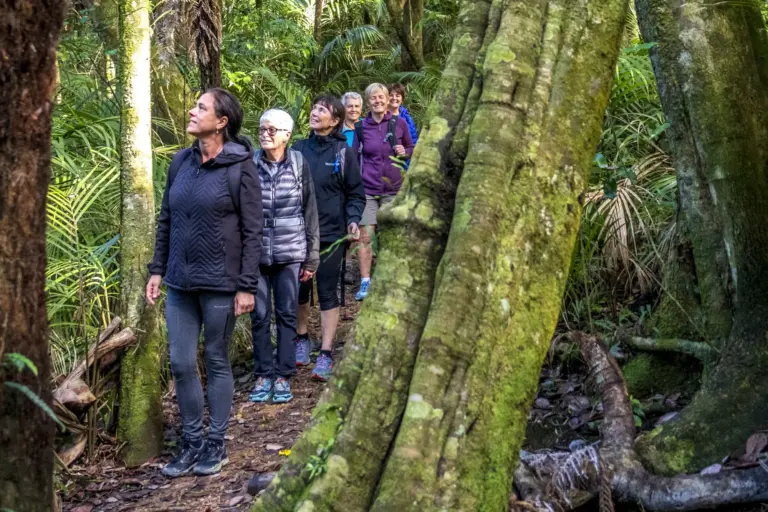
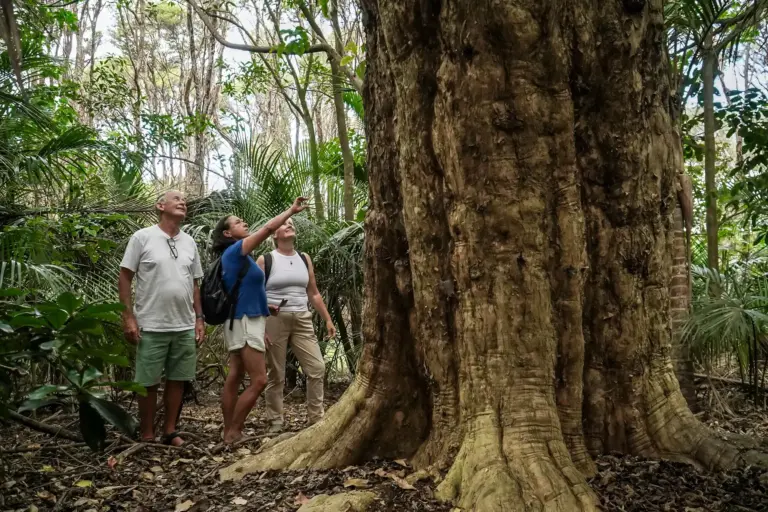
There was a time before colonisation when Waiheke was almost completely covered in native bush, abundant in wetlands, with a canopy abuzz with birdlife, not unlike today. The only settlements were those of Ngāti Paoa, a Māori iwi (tribe). Great kauri forests, as well as mānuka and coastal podocarp, spread across the island.
Colonisation’s impact on Waiheke’s Flora & Fauna
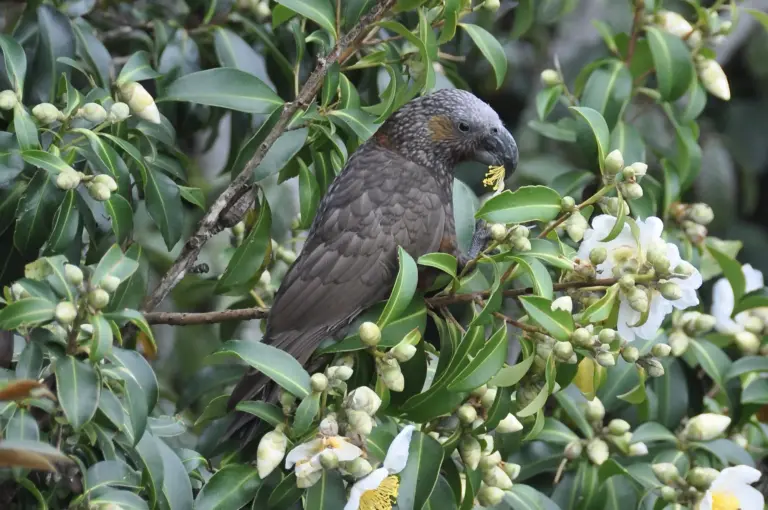
When European settlers arrived, the kauri forests were felled for timber and converted into farmable land. Within 50 years of their arrival in the 1830s, the island was largely bare of forest, and it remained this way until the 1970s, leaving little room for native biodiversity to flourish. The introduction of mammalian predators such as stoats and rats resulted in a great reduction in native bird species, with eggs being a main food source for these mammals. Native birdlife like Tūī, Kākā, Kererū, Korimako, Pōpokotea, Kākāriki and Ruru all suffered.
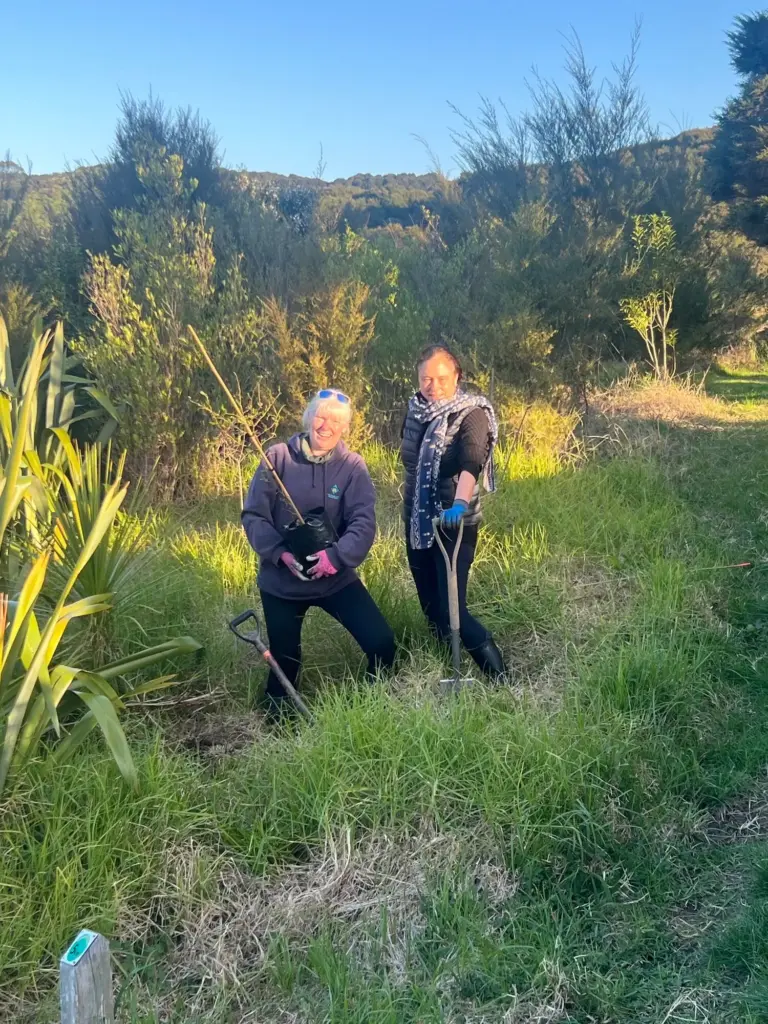
In the 1970s and 80s, things started changing. Ferry infrastructure was upgraded and, more people came to reside on Waiheke, and grassroots movements pushed for a community more attuned to the surrounding environment. Native plant nurseries were established, planting was supported, and reserves were created that allowed thought-to-be-lost ecosystems to flourish once again. When Waiheke was folded into the control of Auckland Council, regulation was introduced that placed guardrails around the island’s remaining environment.
Increasing efforts to restore and protect Waiheke’s environment
New subdivisions required mandatory native planting, and groups such as Forest and Bird took over management and planting of reserves such as Te Atawhai Whenua. Now Waiheke is teeming with native flora and fauna.
While reforestation is no longer a distant prospect, with fully fledged bush around the island, the fight for a predator-free island continues, and Waiheke’s community is winning the battle. Publicly funded and community driven institutions such as Te Korowai o Waiheke have witnessed incredible growth in native bird populations thanks to their mahi (work) trapping pests and reintroducing birds such as kiwi, and the Waiheke Resources Trust consistently pushes for sustainable outcomes for the island. Terra and Tide put kaitiakitanga (care and consideration for our environment) front and centre in our approach to sharing Aoteroa’s natural beauty. Without the beautiful whenua (land) that has been cared for, we wouldn’t be able to do what we do.
You can’t talk about conservation on Waiheke without talking about Te Korowai o Waiheke. Te Korowai was first established as an initiative by the Waiheke Collective, receiving funding for equipment and a paid team through Predator Free New Zealand 2050, whose goal is a predator free New Zealand by 2050, and Foundation North, a community trust.
Te Korowai o Waiheke – “The Cloak of Waiheke”
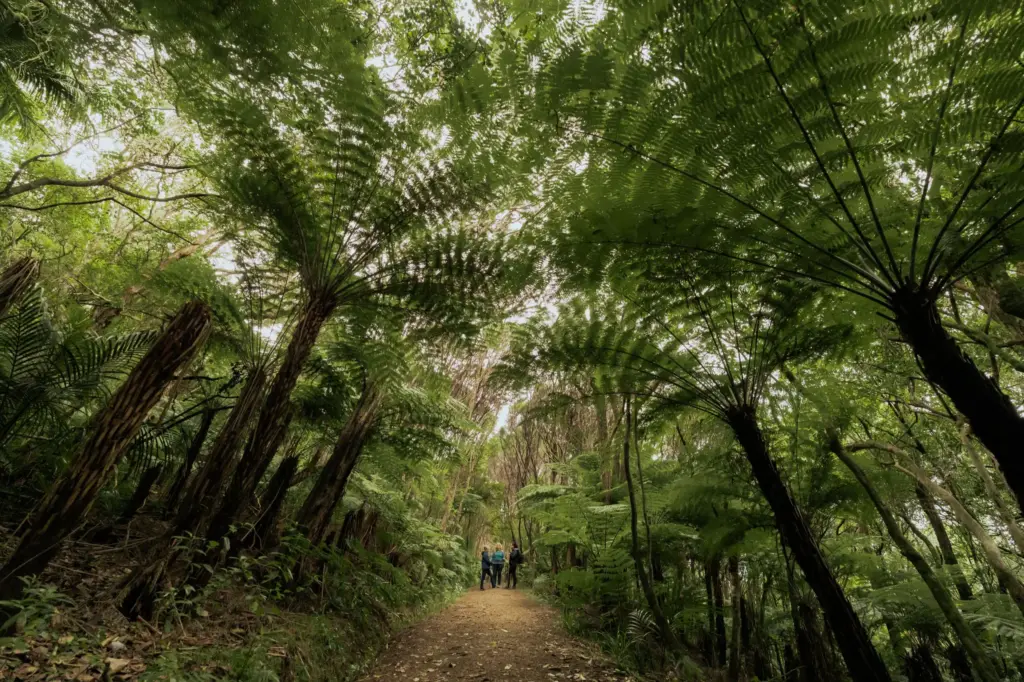
Public funding was also provided by Auckland Council and the Department of Conservation. Waiheke Island was selected by Predator Free 2050 as one of 18 benchmark projects to showcase what predator free Aotearoa could look like, with Te Korowai as it’s operator, making it a frontline force in the journey towards a predator free nation.
Its Te Reo name translates literally as “The Cloak of Waiheke”, meaning to envelop, protect and safeguard the island’s biodiversity. The main goal of Te Korowai is to make Waiheke a completely predator-free island, which means no more stoats, rats or other pests that may harm native flora and fauna.
Its current objective is the eradication of stoats, described as “public enemy number one” for native birds in New Zealand. A network of 1,787 traps is currently in operation as part of the project, and the public can report any stoat sightings through the website. To date, 283 stoats have been caught.
Te Korowai o Waiheke also relies on a network of local community volunteers such as the Waiheke Ratbusters, who are supported by Auckland Council. The Rocky Bay Rat Busters, Coastal Custodians, Friends of Awaawaroa Wetland and Friends of Hekerua, started by, Terra and Tide founder, Gabrielle Young, are just a handful of other groups that look after their local areas.
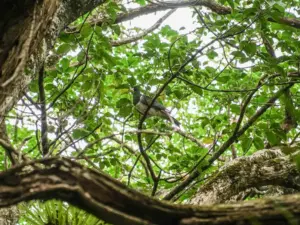
You can see the fruits of Te Korowai o Waiheke’s labours as soon as you disembark the ferry at Matiatia. It’s only a matter of time before a Tūī swoops past you, or you spot a big fat Kererū (native New Zealand pigeon) nestled on a tree branch. To put their mahi (work) into perspective, here are a few numbers:
- 930% more Kākā were reported in the 2025 five-minute bird count since 2020
- 89% more Kererū were observed
- 99% more native birds were counted
- Endangered species such as the Weweia / New Zealand dabchick have been spotted on the island, reintroducing themselves from a population of only 1,900–2,100 in the whole world
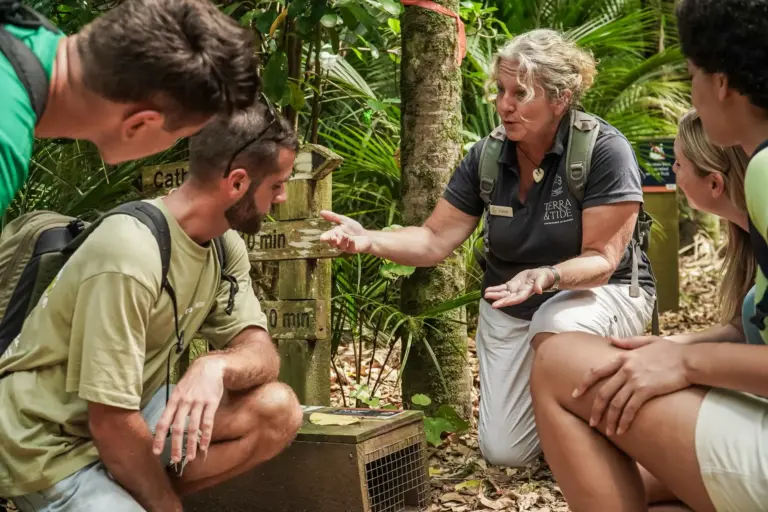
Terra and Tide is actively partnered with Te Korowai o Waiheke in its effort to make Waiheke predator free. This mahi involves running stoat-trapping and rat-baiting stations in the Hekerua Bay catchment, and members of our team actively volunteer as part of the predator-free project around the island. By becoming predator free, Waiheke will become the first urban island in the world to do so.
Waiheke Resources Trust
The Waiheke Resources Trust is another pillar of the Waiheke community that has given so much to conservation on Waiheke and restoration space. In 2015, the Trust founded Love Our Wetlands Waiheke, which now seeks to fully restore eight wetlands around the island: Te Matuku, Te Whau, Matiatia Headland, Rangihoua, Okahuiti, Te Huruhi Bay, Awaawaroa and Owhanake.
 In the past, these wetlands have been drained for farmland resulting in a number of environmental issues including habitat losss for wetland birds and loss of biodiversity as a result. As well as being important environments for native species, birds especially, wetlands are some of the best natural carbon absorbers in the world, soaking up emissions. Wetlands also slow the passage of water to the sea, thereby reducing the silt and runoff that smother sea life in bays, which is particularly important during heavy rains. The project has planted over 80,000 trees since it began 11 years ago. Terra and Tide is a partner of Love Our Wetlands, and our team helps support the Trust’s efforts as we work towards the full restoration of these precious areas.
The Waiheke Resources Trust also encourages sustainable practices within households on the island, minimising food waste, offering bike-repair support and running a community compost.
Forest and Bird
Forest and Bird is a nationwide conservation organisation that plays a crucial role in maintaining Waiheke’s environment. Its Hauraki Gulf branch regularly organises planting and pest-control projects on the island, and is responsible for some of Waiheke’s most successful restoration stories.
Te Atawhai Whenua Reserve was created by Forest and Bird in 1993, led by the late Don Chapple, an island local and resident conservationist. The reserve sits near Matiatia Ferry Terminal, and since its creation, over 40,000 plants have been put in the ground, saving a weed-choked wetland and protecting the surrounding hillsides from further erosion. Forest and Bird partners with Te Korowai o Waiheke to move towards a predator-free island.
The Waiheke Marine Project – Restoring The Hauraki Gulf
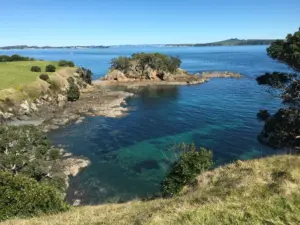 While Waiheke has been succeeding in its overland conservation efforts, it’s easy to forget the island is surrounded by a rich marine ecosystem. The Waiheke Marine Project began in 2019 as a subgroup of the Waiheke Collective, coordinating locals who wanted to see Waiheke’s marine environment regenerate after years of degradation, and to strengthen the connection between the people of Waiheke and the sea that surrounds them.
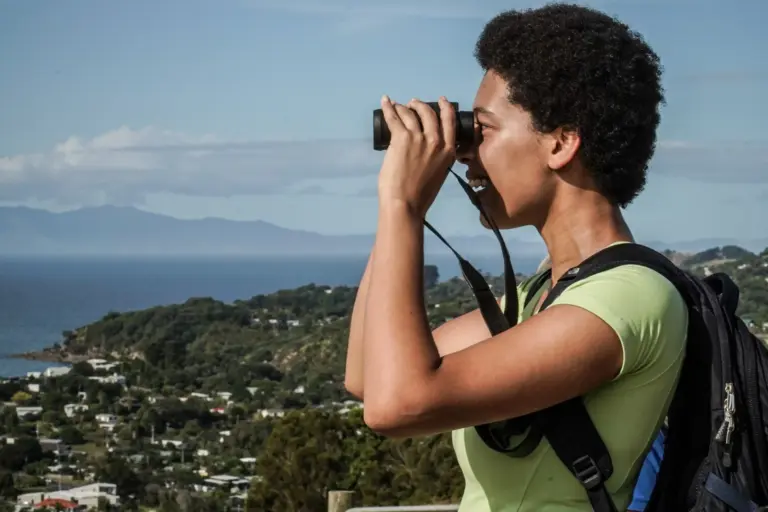
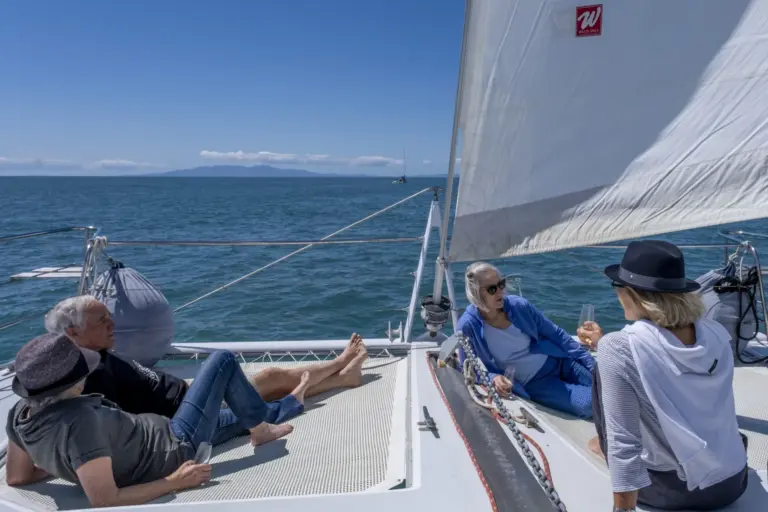
The project undertakes dive surveys and is currently focused on kelp forest regeneration through volunteer “kelp gardeners”. It also coordinates beach cleans around the island and encourages the recycling of fishing tackle. At Terra and Tide, we tell the story of the connection between land and sea on our sailing experiences and land tours, including birding tours that celebrate the thriving birdlife of the island. Clients learn about the Hauraki Gulf: the abundance that was here, the degradation from overfishing and uncontrolled farm runoff, and how wetland, marine and forest restoration has contributed to the beauty we get to enjoy today. Our goal is to amplify the successes of groups like the Waiheke Marine Project through our tours.
Save the Kiwi
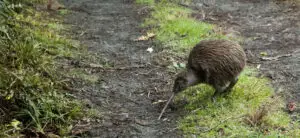 In mid-May 2025, Waiheke Island became the first urban area in Auckland where kiwi have been released. Save the Kiwi, working with Ngāti Paoa and Ngāi Tai ki Tāmaki and with the support of Te Korowai o Waiheke, has now translocated an estimated 27 kiwi to Waiheke, a huge milestone in the story of the island’s environmental recovery.
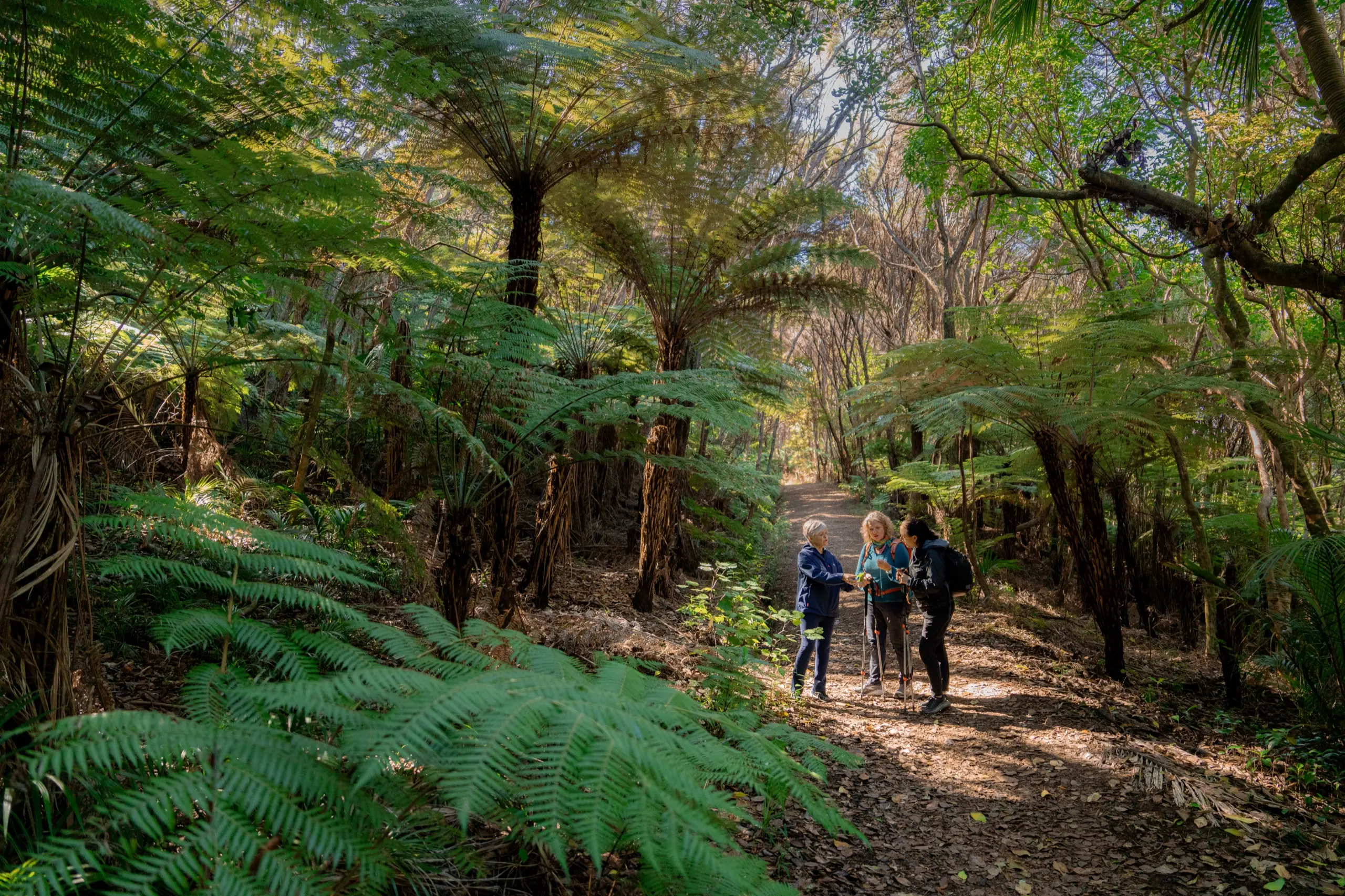
These kiwi mainly reside on the east side of the island, away from Waiheke’s urban areas, but as the population grows, you’ll hopefully hear the call of the kiwi at night in Waiheke’s villages. Terra and Tide offers tree-planting and conservation tours on that side of the island where these kiwi have been released, a unique opportunity to help cultivate the environment these kiwi call home and, if you’re lucky, hear one.
A community-led success
Waiheke Island’s conservation and restoration story shows what a community can achieve together, turning a once-bare landscape into a thriving haven for native flora and fauna. Grassroots volunteer efforts at Te Korowai o Waiheke, the Waiheke Resources Trust, and so many other community organisations have helped restore Waiheke to what once was and created a space that you can come to and experience the best of New Zealand, not just it’s native wildlife, but it’s people too.
Terra and Tide is proud to stand alongside these groups, volunteering in the field and sharing their stories on our Waiheke Island tours so visitors can witness and contribute to this recovery first-hand. We work hard to ensure our tours are kind to the environment. Contact us to find out more about incorporating conservation and restoration efforts into a personalised Waiheke experience.